
Guides
Aflatoxin & Animal Feed.
Why "Apna Chara" Matters.
A calm, practical look at where aflatoxin comes from, why feed is the first line of defence, and what a Lahore family can do about it.
By Haq Fresh Milk · Updated 11 September 2026
The Short Answer
Aflatoxin is a natural toxin made by certain moulds that can grow on stored crops and animal feed. When a cow eats heavily contaminated feed, a small amount can pass into her milk. The reassuring part is that this is a feed problem before it is ever a milk problem — and the farm that controls its own feed controls the risk. That is exactly why we grow and store our own silage, or apna chara, at our farm in Wapda Town, Lahore.
This guide explains in plain language what aflatoxin is, how it gets into animal feed, and what a Lahore family can reasonably do about it. No scare tactics — just the facts, and the choices that actually make a difference.
The Basics
Aflatoxin, explained simply.
Aflatoxin is not something added to milk. It is a toxin produced by moulds — most commonly Aspergillus species — that can grow on crops and stored feed when conditions are warm and damp.
The crops most often linked to aflatoxin are maize, groundnut and cottonseed, along with other grains and fodder. When a dairy cow eats feed with high levels of aflatoxin, her body breaks down most of it, but a small portion can pass into the milk as a compound called aflatoxin M1.
That sounds technical. The practical point is simple: feed quality is the first line of defence. Clean, fresh, well-stored fodder means lower risk. Mouldy, damp, poorly stored fodder means higher risk.
The Chain of Risk
How mould gets into animal feed.
Mould spores are everywhere in the environment. The question is whether they get the conditions to grow. In practice, three things open the door: a crop harvested in wet weather, fodder that is not dried properly before storage, and feed kept in warm, humid conditions for too long.
This is where market-bought feed becomes a gamble. A dairy that buys mixed feed from an open market often cannot know when it was harvested, how it was dried, how long it sat in a warehouse, or whether it was stored against a damp wall. That missing history is the real risk.
It is also worth saying what aflatoxin is not. You cannot spot it by looking at milk, smelling it or tasting it. Milk from a cow that ate contaminated feed can look and taste completely normal. This is a behind-the-scenes problem, which is exactly why the behind-the-scenes decisions matter so much.
A wet harvest is the moment mould gets its first chance.
Damp, warm storage is where mould quietly multiplies.
Apna Chara
Why we grow our own feed.
From day one, Haq Fresh has grown its own silage on our farm. Our Dutch cows eat feed we cut, dry and store ourselves, and they eat it fresh. Nothing about that feed is a mystery to us.
Cutting at the right time, drying it properly and keeping storage clean and dry are not glamorous jobs. They are, however, the difference between fodder that is safe and fodder that is not. Because we control every step, we are not exposed to a supplier's storage mistakes.
It also makes the milk more consistent. A steady diet means stable fat and a taste that does not change from week to week. Traceability is not a marketing line here — it is a farming habit.
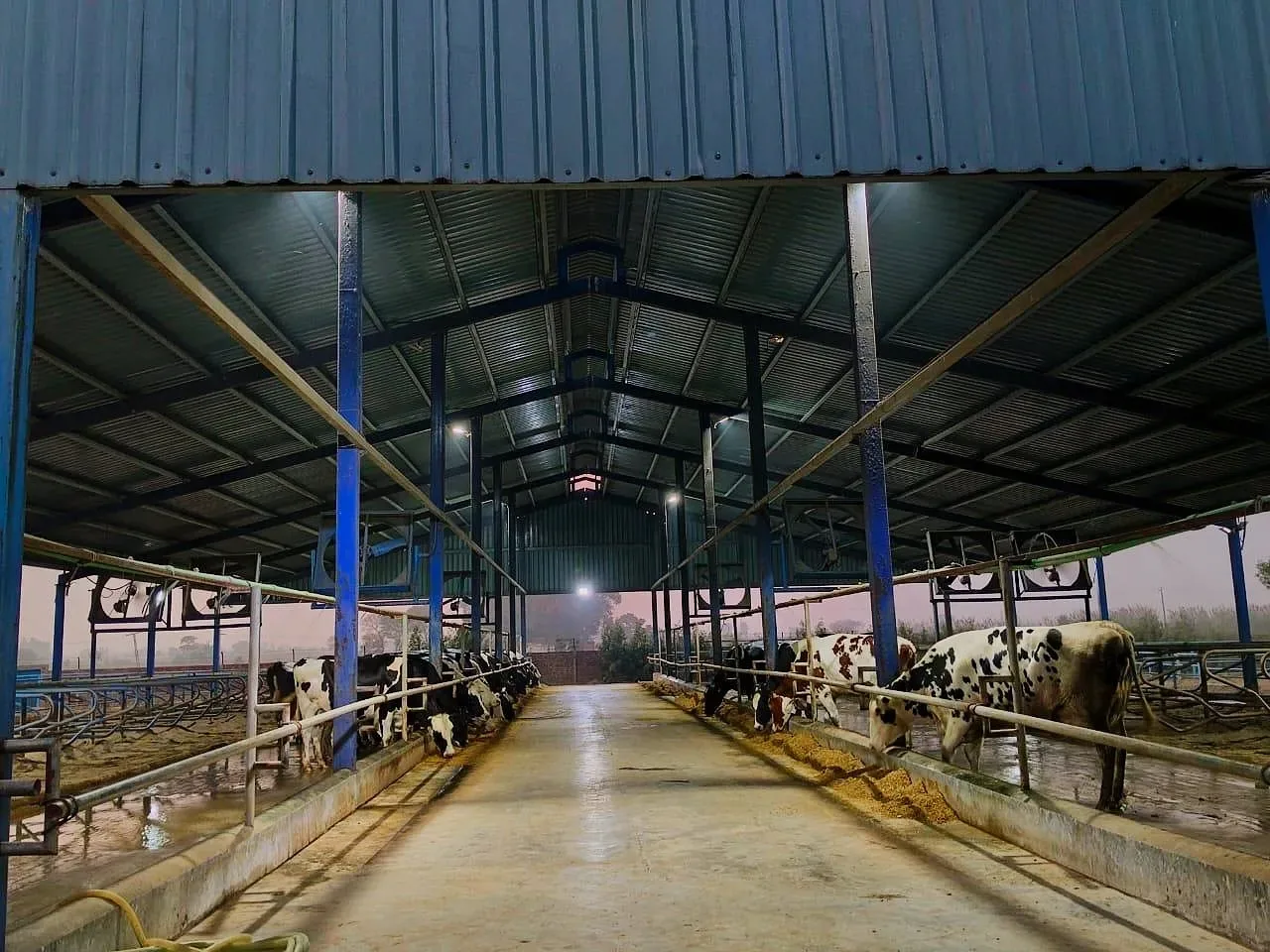
You can see the fields and the storage for yourself — read more about our farm and how we feed the herd, or come for a visit.
For Your Family
What this means when you buy milk in Lahore.
For a family in Lahore, the useful question is not whether every glass of milk is dangerous — it is not. The useful question is: who is responsible for the feed, and can they tell you where it came from?
When you choose a dairy, ask where the feed is grown and how it is stored. A farm that grows its own fodder will answer easily. A supplier who buys from elsewhere may not be able to answer at all.
If you want a practical checklist, our guide to how to check whether milk is pure walks through the everyday signs. If you are in Wapda Town, where our farm is based, you can also read about milk delivery in Wapda Town.
At Home
Keeping your family's doodh safe.
There is no household trick that removes aflatoxin from milk. What you can do is reduce exposure at the source and handle milk well once it reaches your kitchen.
Important
Boiling does not remove aflatoxin.
Boiling kills harmful bacteria and makes raw milk safer to drink, which is why we recommend it. It does not remove aflatoxin. That is why we focus on feed quality at the farm, before the milk is ever produced.
Give raw milk a full, rolling boil, then cool and refrigerate it in a clean, covered container. If you keep animals of your own, never feed visibly mouldy or musty chara. When in doubt, throw it out — a few rupees of feed is never worth the risk.
You can see what we deliver on our pure cow milk page, and check the daily delivery window on our milk delivery in Lahore page. Questions are always welcome — just contact us.
Keep Reading
More from the Guides.
Practical articles for Lahore families — browse the full Guides hub.
Guide
How to Check Pure Milk
Simple, everyday ways to tell whether the doodh in your glass is genuinely pure.
Read the guideGuide
Raw vs Pasteurised
What the difference actually means for taste, cream and your morning chai.
Read the guideDelivery
Wapda Town Delivery
How morning milk delivery works in the neighbourhood our farm calls home.
See delivery detailsCommon Questions
Quick answers.
No. Boiling kills harmful bacteria and makes raw milk safer to drink, which is why we recommend it, but it does not remove aflatoxin. The best place to stop aflatoxin is the feed, long before the milk is produced.
Aflatoxin is a natural toxin produced by certain moulds that can grow on crops such as maize, groundnut and cottonseed, especially when they are stored warm and damp. When a cow eats feed with high levels of aflatoxin, a small amount can pass into her milk.
Apna chara means feed and silage grown on your own farm instead of bought from the open market. When a farm grows and stores its own fodder, it controls how it is cut, dried and kept, which is exactly where feed quality is won or lost.
We grow and store our own silage at our farm in Wapda Town, Lahore, and feed it fresh to our Dutch cows. We do not buy unknown feed from the market, so we always know what our cows ate and how it was stored.
Ready?
Milk you can trace.
Every morning.
Message us on WhatsApp — Lahore delivery, daily, from our own farm.