
Guides
What Is Malai?
Why Farm Milk Is Creamier.
Malai is the thick cream that rises when good doodh is boiled and cooled slowly. Here is why milk from a single farm gives you more of it — and how to collect every bit.
By Haq Fresh Milk · Updated 11 September 2026
The Short Answer
Malai is the layer of cream that naturally rises to the top when milk is boiled and then left to cool. It forms because milk fat is lighter than the rest of the milk and wants to float. Farm milk from a healthy herd, fed on fresh home-grown silage and delivered whole and unprocessed, has more natural fat to give — so it forms more malai. Shop milk often does not, because it has usually been skimmed, diluted or standardised along the way.
If malai is the test of good doodh in your kitchen, this guide explains where it comes from and how to get the most of it.
The Basics
Malai, explained in one minute.
Milk is a mixture of water, protein, sugar and fat. Fat is lighter than the rest, so it naturally wants to rise. When milk sits still — and especially when it is heated and then cooled slowly — that fat gathers on the surface. That layer is malai.
In Urdu, malai means cream, and the word shows up wherever something is rich and good: malai wala doodh, malai paratha, malai kulfi. In a Lahori kitchen, the thickness of the malai layer is the simplest honest test of whether the milk is really milk.
This is also why shop milk often disappoints. If the cream has been skimmed off, the milk watered down, or the fat standardised to a fixed level, there is simply less to rise. Fresh, whole milk from a farm has not been through any of that — nothing is added, and nothing is taken away.
Farm vs Shop
Why farm milk from a single herd is creamier.
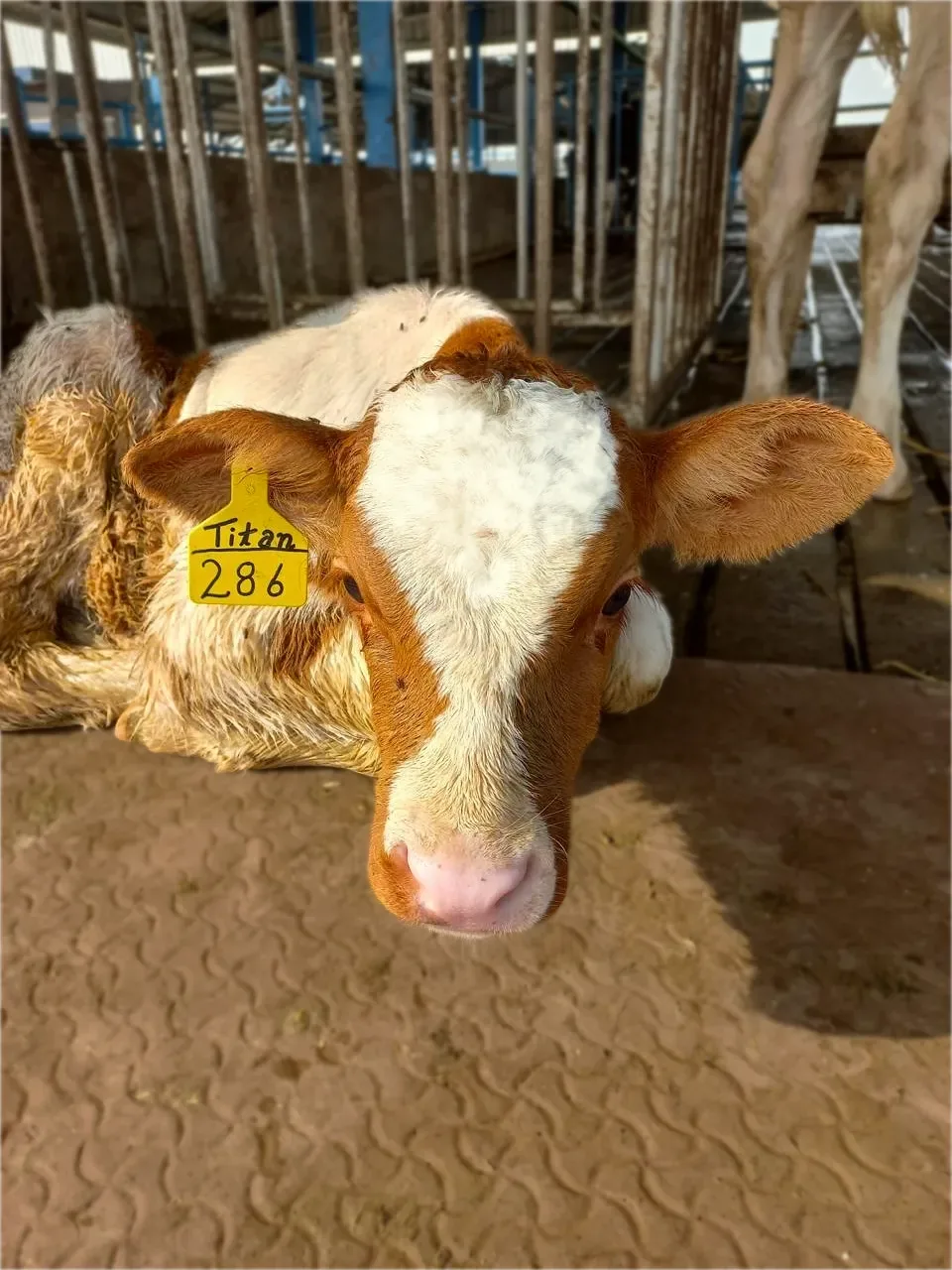
At Haq Fresh, our Dutch cows eat silage we grow ourselves. A steady, clean diet gives steady milk — the kind with its natural fat left exactly where it belongs. Milk like that does not need anything added to taste rich.
Just as important is what does not happen on the way to your door. We do not skim the cream, water the milk down, or mix it with milk from other sources. It is milked, chilled and delivered. The only thing added is the short journey from our farm to your kitchen.
That short chain matters more than people realise. The less milk is handled, stored and moved, the closer your glass stays to the cow. So the malai in your pot is not just a matter of taste — it is a sign of a short, traceable chain. You can read more about our farm and the herd.
In Your Kitchen
How to get the best malai when you boil doodh.
Malai rewards patience. The method is old and simple: heat gently, leave it alone, and let time do the work.
Boil gently
Bring the milk to a full boil, then lower the flame. Good milk does not need a hard, rolling boil for a long time.
Do not stir
Once it is off the heat, leave the pot still. Stirring keeps the cream mixed into the milk instead of letting it rise.
Cool slowly
Let the pot cool at room temperature before it goes anywhere near the fridge. A slow cool helps the layer set.
Chill overnight
Cold helps the fat firm up. By morning, the malai is a thick layer you can lift with a flat spoon.
If you are making ghee, keep a few days' worth of malai in a covered jar in the fridge. If you are making kulfi or a dessert, use it the same day for the best flavour.
Uses
Malai in the Lahori kitchen.
Good malai changes what your kitchen can do. A single spoon turns an ordinary cup of chai into something richer, and a bowl of malai is the start of butter, ghee and desserts.
Thick yogurt and lassi start with full-fat milk, and malai is what gets churned into butter. Slow-cooked, that same butter becomes desi ghee. If you would rather skip the work, our pure cow milk, natural yogurt and desi ghee are all made from the same milk we deliver.
Browse more articles like this one in the Guides hub.
Safety
Raw milk, malai and safety.
Haq Fresh milk is raw and unprocessed. We do not pasteurise it, because we want to deliver it as close to the cow as possible. Like traditional fresh milk, it should be boiled before you drink it.
Boiling does two useful jobs at once: it makes the milk safe to drink, and it brings the malai together at the top. After boiling, cool the milk, refrigerate it, and use it within a reasonable time. Raw milk has a shorter shelf life than packaged UHT milk because nothing has been added to extend it — and that is exactly the point.
Honesty Note
We sell raw milk — and we recommend boiling it.
This is how traditional fresh milk has always been consumed safely in Pakistan. Boil, cool, refrigerate, and enjoy the malai.
If you would like the full comparison, read our guide to raw vs pasteurised milk in Pakistan. And before you buy from any dairy, our guide to checking whether milk is pure is a good place to start. If you are in Gulberg or Model Town, see our milk delivery in Gulberg & Model Town page for timings.
Delivery
Fresh malai, delivered every morning.
Order via WhatsApp and your milk arrives daily, usually between 7 AM and 9 AM. See the full milk delivery in Lahore details, or contact us with any question.
Keep Reading
More from the Guides.
Practical articles for Lahore families — browse the full Guides hub.
Guide
Raw vs Pasteurised
What the difference actually means for taste, cream and your morning chai.
Read the guideGuide
How to Check Pure Milk
Simple, everyday ways to tell whether the doodh in your glass is genuinely pure.
Read the guideGuide
Milk Prices in Lahore
How fresh milk is priced in the city, and what a fair rate actually reflects.
Read the guideCommon Questions
Quick answers.
Farm milk from a single herd is usually whole and unprocessed, with its natural fat left in and nothing removed. When milk is not skimmed, standardised or diluted, more cream rises to the top as malai.
Malai is simply the fat that naturally occurs in milk, and it has been part of traditional Pakistani cooking for generations. We are milk farmers, not doctors, and we will not make health claims. Enjoy malai the way our grandmothers did, as a rich food in everyday cooking.
No. Boiling is what helps the malai come together. As the milk is heated and then left to cool slowly, the fat rises and settles on top, where you can collect it.
Yes. We deliver raw, unprocessed milk and we recommend boiling it before consumption. This is how traditional fresh milk has always been consumed safely in Pakistan, and it is also how you get a proper layer of malai.
Ready?
Thick malai.
Every morning.
Message us on WhatsApp — pure farm milk, delivered fresh across Lahore.